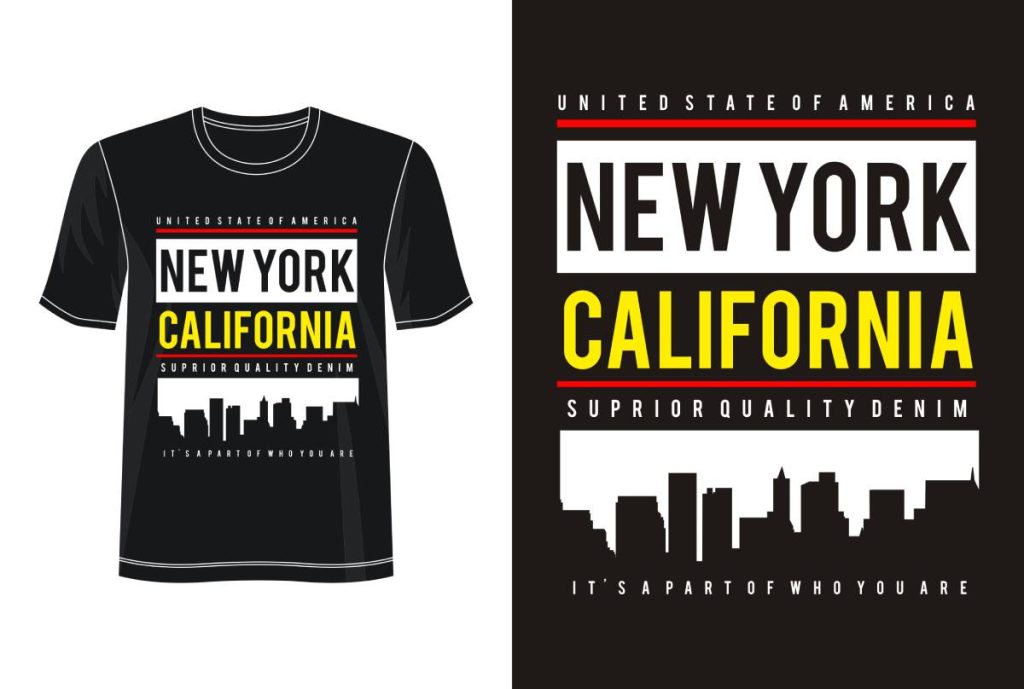
DTF transfers are rapidly redefining garment decoration, delivering durable, vibrant designs across a wide range of fabrics. They offer benefits such as fast turnarounds and scalable production that help brands respond to demand. As direct-to-film printing evolves, designers gain flexibility to apply designs to dark fabrics and a broader range of textures. The ongoing DTF vs DTG dialogue is shaping hybrid workflows that balance color fidelity with speed. Staying ahead of garment printing trends and refining finishing techniques for DTF ensures durable, premium results.
In practical terms, this film-based transfer approach translates into flexible production that scales from small runs to full-line orders. When compared with other methods, direct-to-film printing offers strong color fidelity on dark fabrics and easier adaptability across garment types. Leaning on LSIs, brands will hear terms like pigment-based inks, heat-curing profiles, and substrate compatibility, which guide choices in workflow and finishing. Keeping pace with garment printing trends means embracing automation, color management, and efficient post-transfer finishing to boost durability and hand feel. Overall, the future rests on smarter materials, streamlined processes, and nuanced finishing techniques for DTF-style products that last.
DTF Transfers: Why They Matter for Modern Garment Printing
DTF transfers are rapidly becoming a cornerstone of modern garment printing, offering a versatile, durable, and scalable option across fabrics. In this context, the DTF transfers benefits include broad material compatibility—from cotton and blends to performance textiles—and reliable adhesion that survives repeated washing. This is powered by ongoing improvements in direct-to-film printing film quality and white ink opacity, enabling crisper lines, vibrant color, and cleaner edges even on dark substrates. For designers and print shops, this combination translates into smaller runs, faster iterations, and new creative possibilities.
As brands pursue faster turnarounds, customization, and sustainability, the practical value of DTF transfers grows. The longer-term potential lies in smarter workflows, better color management, and scalable finishing options that align with apparel production needs. Understanding these benefits helps printers plan for growth and brands plan for on-demand product lines.
Direct-to-Film Printing vs Direct-to-Garment: Understanding DTF vs DTG
DTF vs DTG is not about choosing a winner but about leveraging strengths. Direct-to-film printing offers reliable color fidelity on dark garments, easier scalability for small runs, and compatibility with a broader fabric range. These factors make DTF transfers an attractive option for high-visibility designs and on-demand drops, while DTG remains strong for certain fabrics and softness on lighter fabrics. A hybrid workflow—DTF for some designs, DTG for others—can maximize efficiency and quality.
In practice, brands compare the costs, setup time, and wash durability of each method. The ongoing dialogue around DTF vs DTG centers on where each method excels and how they complement one another in a print business, rather than declaring an outright winner. This context helps printers craft mixed portfolios that meet varied consumer expectations and garment types.
Enhancing Color and Film Quality: The Expanding Palette of Direct-to-Film
Color vibrancy and reliable whites sit at the heart of modern DTF transfers. Innovations in film formulation improve release, reduce edge curl, and promote more consistent adhesion across fabrics, while white ink pigments push opacity for underbases and high-contrast artwork. As a result, designers can push gradients, halftones, and fine line work with greater predictability in the final garment.
This expanding palette is not just theoretical—it’s practical for finishing and hand feel. Improved film quality and ink chemistry enable deeper color depth with softer touch, which expands the creative possibilities in garment printing trends and makes finishing techniques for DTF more forgiving in post-production.
Sustainability and Efficiency in DTF Workflows
Sustainability in garment printing now guides material choices and process design. For DTF, this means low-solvent, eco-friendly inks and films, along with smarter curing and finishing to minimize waste and energy use. Printers adopt streamlined workflows that reduce reprints and optimize heat transfer profiles without sacrificing color stability or wash durability.
From a business perspective, greener practices align with cost savings and brand value. Finishing techniques for DTF are part of this efficiency story, helping to extend product life, reduce post-wash adjustments, and support responsible production goals across the supply chain.
On-Demand and Small Runs: The Economic Case for DTF Transfers
DTF transfers are a natural fit for on-demand and small-batch production due to low setup costs and flexible workflows. The ability to store designs digitally and apply them on demand makes DTF transfers ideal for streetwear, team merchandise, and micro-brands that need to react quickly to trends—an essential garment printing trend in today’s market.
This flexibility also encourages iteration. Printers can test new designs with limited quantities, gather feedback, and adjust before scaling, all while maintaining predictable color and adhesion. The economics rely on dependable inks, film quality, and efficient finishing to keep per-unit costs competitive even for small runs.
Finishing Techniques for DTF: Curing, Peels, and Durability
Finishing techniques for DTF are pivotal to durability and production efficiency. Advances in curing and bonding time—through new adhesive formulations and heat transfer profiles—can shorten time-to-wear-in while preserving color fidelity. The choice between hot peel and cold peel remains strategic, depending on fabrics and inks used, to optimize edge quality and substrate compatibility.
Beyond adhesion, finishing offers creative options like gloss, matte textures, or subtle metallic effects while maintaining a practical production footprint. A well-designed finishing plan supports wash durability, hand feel, and color stability across garment types, aligning with the broader goals of scalable, high-quality DTF transfers.
Frequently Asked Questions
What are the main benefits of DTF transfers for garment printing?
DTF transfers offer versatility across fabrics, vibrant color on dark textiles, durable wash performance, and low setup costs for small runs and on-demand production. Ongoing improvements in film quality and white ink reliability support crisp lines and a soft hand after transfer, making DTF transfers benefits clear for modern print shops.
DTF vs DTG: how do DTF transfers compare in color, durability, and fabric compatibility?
DTF transfers typically deliver better color fidelity on dark garments, broader fabric compatibility, and easier scalability for small runs. DTG can excel on certain light fabrics with a softer hand. Understanding DTF vs DTG helps shops choose the right method for each project and mix strategies when needed.
What is direct-to-film printing and how does it fit into modern garment printing workflows?
Direct-to-film printing applies designs to a transfer film that is later applied to fabric, enabling flexible, on-demand production across many substrates. It integrates with established pre-press, color management, and finishing steps, supporting rapid design iterations and batch consistency.
What garment printing trends are shaping the adoption of DTF transfers today?
Garment printing trends point to personalization, shorter lead times, and sustainable production. DTF transfers align with these trends by enabling rapid customization, strong color on diverse fabrics, and efficient finishing paths that support scalable, eco-conscious manufacturing.
What are the finishing techniques for DTF transfers that improve durability and hand feel?
Finishing techniques for DTF include optimizing curing times and heat-transfer settings, selecting the right peeling method for each substrate, and using appropriate post-transfer care to preserve color, adhesion, and texture.
How can printers optimize workflow and color management for DTF transfers to meet on-demand demand?
To maximize consistency and speed with DTF transfers, invest in reliable RIP software and calibrated color profiles, automate pre-press steps, and optimize substrate and curing parameters. A strong workflow minimizes waste and ensures predictable results for on-demand production.
| Aspect | What It Means | Impact / Benefits for DTF transfers |
|---|---|---|
| Expanded palette and film quality | Improvements in DTF films and white ink formulations enable better color reproduction, crisper edges, and reliable white underbase. | More faithful designs across fabrics; ability to render gradients and complex artwork with consistent adhesion and a softer hand. |
| Sustainability and efficiency | Eco-friendly inks/films, low-solvent chemistries, optimized curing, and smarter pre-press workflows. | Lower operating costs, better alignment with brand sustainability goals, longer media life, and less rework. |
| On-demand capabilities and small runs | Low setup costs, digital asset storage, and fast application enable flexible production for micro-brands and events. | Quicker design iterations, reduced risk with small batches, and cost efficiency at low volumes. |
| Finishing innovations and durability | New adhesives, optimized curing, and varied peel methods, with optional gloss/matte textures and metallic effects. | Stronger durability, shorter time-to-wear-in, expanded creative options without sacrificing production efficiency. |
| Workflow optimization | RIP software improvements, color management, tiling, automation in pre/post steps, and repeatable color accuracy. | Increased throughput, consistency across batches, reduced waste and manual errors. |
| Market trends and consumer expectations | Rising demand for personalization and rapid turnarounds; direct-to-consumer opportunities with robust finishing. | Printers can offer customized products at scale while maintaining speed and quality. |
| Practical guidance for printers & designers | Film/ink selection, color management, substrate compatibility, finishing profiles, and QA routines. | Reliable, scalable production and consistent results that meet customer expectations. |
Summary
The future of DTF transfers in garment printing is bright, driven by ongoing innovations in film quality, ink chemistry, finishing techniques, and workflow optimization. As trends like on-demand production, sustainability, and customization continue to shape the industry, DTF transfers stand out as a flexible, high-value method that empowers brands to create vibrant, durable garments with greater efficiency. By embracing emerging trends and adopting best practices in color management, substrate selection, and finishing, print shops can stay ahead of the curve and deliver compelling products that resonate with today’s consumers. The evolution of DTF transfers is not merely about incremental improvements—it’s about unlocking new possibilities for creativity, speed, and scale in the dynamic world of garment printing.