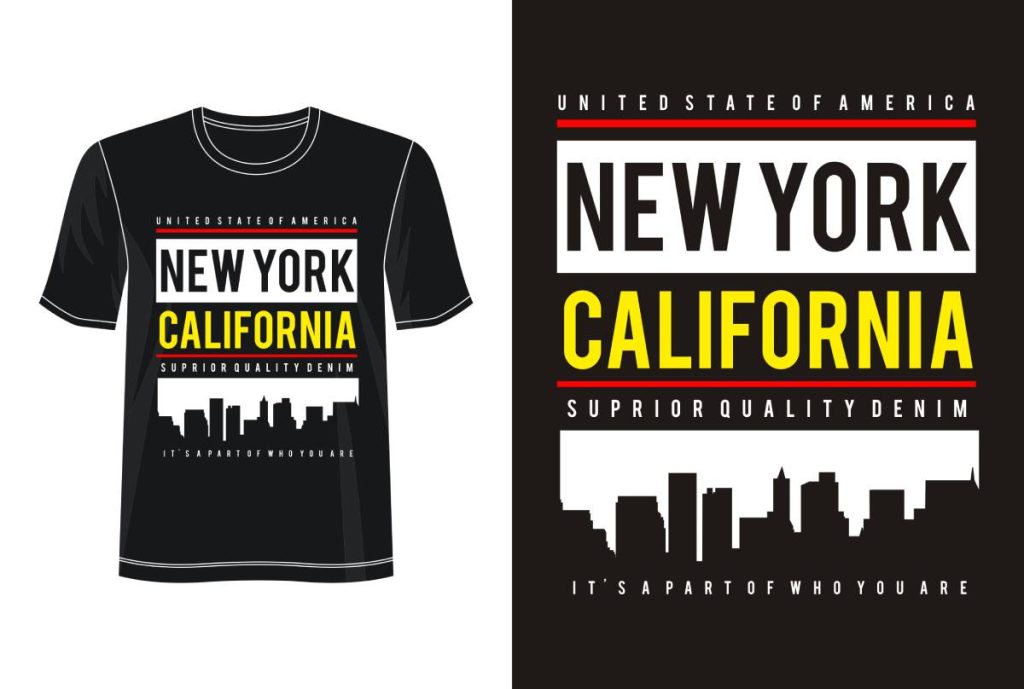
UV DTF transfer for t-shirts offers a vibrant, durable option for printing designs on ready-to-wear tees. This method blends Direct-to-Film technology with UV-curable inks to deliver sharp details and bright colors, supporting UV DTF printing on shirts. As you explore DTF transfer steps, you’ll appreciate the quick curing and color stability that UV inks provide on various fabrics. For best results, follow expert t-shirt transfer tips, including proper prep, correct heat press settings, and careful post-transfer care. If you’re weighing options like DTF vs UV transfer or want practical how to apply DTF transfers tips, this approach can deliver strong results.
Across the broader world of garment decoration, UV-curable ink transfers on textiles leverage a DTF-like workflow to deliver vivid imagery. This approach uses UV-curable inks on a printable film, then transfers the design to fabric with heat, offering fast curing and durable finishes. From a practical standpoint, designers consider color fastness, layering options, and compatibility with cotton, blends, and synthetic fabrics. In short, this technology sits alongside other transfer methods—DTF printing on shirts, traditional heat transfers, and direct-to-garment—providing another option for high-impact, long-lasting prints.
Understanding UV DTF transfer for t-shirts: fundamentals and benefits
UV DTF transfer for t-shirts combines the detail fidelity of Direct-to-Film with the fast curing of UV inks, delivering vibrant images on cotton, blends, and even some synthetics. This method uses UV-curable inks on a DTF film, an adhesive layer, and a heat-press transfer to bond the design to fabric. The result is bright color, sharp edges, and durable finishes that stand up to repeated washing.
Compared with traditional DTF, UV DTF printing on shirts can offer improved color fidelity and quicker curing times, which is why many makers compare it with DTF vs UV transfer depending on project needs. Understanding the core concept helps you navigate the related topic of how to apply DTF transfers and where UV technology fits into your workflow. For beginners and pros alike, this overview highlights why UV DTF transfer for t-shirts is a compelling option for bold, long-lasting designs.
Essential tools and workspace setup for UV DTF transfer projects
A successful UV DTF project starts with the right tools: UV DTF transfer film or sheets, a printer capable of UV-curable inks, an adhesive layer or powder as required, and a heat press with reliable temperature control. Pair these with a protective cover sheet, lint-free wipes for maintenance, and a curing lamp or chamber to finalize the image after pressing.
Create a clean, organized workspace to support consistent results. Pre-wash and dry blanks to reduce sizing and shrinkage, and keep masking tape, heat-resistant mats, and PPE handy. This setup aligns with best practices in DTF transfer steps and helps minimize debris or oils that could interfere with adhesion, improving t-shirt transfer tips across runs.
Design to print: preparing artwork for UV DTF transfers
Begin with high-resolution artwork, ideally 300 dpi or higher, and plan for the unique color handling of UV inks. If your design requires crisp edges, use vector artwork and mirror the image before printing so it appears correctly on the garment after transfer. This stage sets the foundation for a successful UV DTF printing on shirts workflow.
Consider color management and underbase strategy early. If your design needs a white underbase, align layers carefully and verify white opacity under the chosen fabric. Documenting settings ties into the broader concept of DTF transfer steps and helps you compare outcomes when evaluating DTF vs UV transfer options for future projects.
Printing and transferring: from film to fabric
Print the design on UV DTF film using the appropriate profile and bonding layers. Depending on your system, you may print directly onto the film or through a carrier layer, taking care to preserve color accuracy and avoid smudges. After printing, apply the adhesive layer or powder evenly if required by your workflow.
Prepare the garment, then proceed with transfer: preheat the press to the target temperature (commonly around 160–170°C / 320–340°F), place the transfer face down, and apply steady pressure for 10–15 seconds. Use heat-resistant tape to secure edges, and decide on a hot-peel or cold-peel method based on your film. A post-transfer UV curing step often follows to harden the adhesive and ink for wash durability.
Curing, finishing, and care for durable UV DTF t-shirt graphics
UV-curable inks benefit from dedicated curing after transfer. A UV curing lamp or chamber fully cures the ink and adhesive, improving color fastness and resistance to cracking. Allow the shirt to cool before handling, then perform any recommended post-press curing to ensure a durable bond.
Finish with practical care guidance to extend results. If your system supports it, a light final press without steam can help set the image, followed by washing guidance like turning the garment inside out and using cold water. Understanding how to apply DTF transfers in everyday use reinforces the long-term advantages of UV DTF printing on shirts.
Troubleshooting and optimization: common issues and fixes
Misalignment is a frequent issue if the transfer shifts during pressing. Recheck alignment before pressing and consider using a guide grid or pins to lock the garment in place. Color mismatch can occur with UV inks, so calibrate printers with test strips and maintain consistent profiles—this is a central theme in evaluating DTF transfer steps.
Other concerns include white underbase visibility on dark fabrics, smudging, ghosting, or edge cracking after washing. Ensure complete drying and curing, and use protective sheets to prevent ink transfer to the press bed. For persistent challenges, compare your method against DTF vs UV transfer and consult step-by-step guidelines to refine your approach and improve results.
Frequently Asked Questions
What is UV DTF transfer for t-shirts and how does it work?
UV DTF transfer for t-shirts uses UV-curable inks printed on a Direct-to-Film (DTF) transfer sheet. After printing, an adhesive layer is applied (and sometimes a protective powder) before the design is heat-pressed onto fabric. The UV cure locks in color quickly, boosting wash durability and color fastness. If you’re weighing options like DTF transfer steps or DTF vs UV transfer, this method often delivers sharper detail and faster curing.
How to apply DTF transfers: essential steps for UV DTF transfer for t-shirts?
To apply DTF transfers for UV DTF transfer for t-shirts, start with a clean, pre-washed blank and mirrored design. Print on UV DTF film using the correct profile and resolution. Apply the adhesive layer if required, then pre-cure if your workflow calls for it. Preheat the heat press to about 160–170°C (320–340°F). Position the transfer face down, secure with heat-safe tape, and press with medium to firm pressure for 10–15 seconds. Peel the carrier hot or cold per the film, then perform a final UV cure to maximize adhesion and wash resistance. Let the shirt cool before handling.
DTF vs UV transfer: how does UV DTF printing on shirts differ from traditional DTF?
UV DTF printing on shirts differs mainly in the ink cure method and timing. UV DTF uses UV-curable inks that cure instantly under a UV lamp, often delivering brighter colors and crisper lines with shorter processing times. Traditional DTF relies on heat-activated adhesives and longer pressing cycles, which can affect edge sharpness and production speed. When comparing DTF vs UV transfer, consider fabric type, color needs, and workflow.
What are some t-shirt transfer tips for best results with UV DTF transfer for t-shirts?
Top t-shirt transfer tips include testing on a similar fabric first, using high-quality blanks, maintaining consistent temperature and pressure, and keeping the workspace clean. Ensure the garment is flat and wrinkle-free, cure the print with a UV light after pressing, and follow garment care guidelines to maximize durability. These t-shirt transfer tips help minimize misprints and improve color fidelity.
What is the curing and finishing process for UV DTF transfer for t-shirts?
After pressing, cure the print with a UV curing lamp or chamber as required by your system to finalize the bond and color. Let the shirt cool completely before handling and avoid steam or aggressive washing during the initial cure window. Some workflows include a light final press or no steam; always follow the UV DTF transfer system’s curing times to maximize wash durability and color fastness.
What troubleshooting tips address misalignment or color issues with UV DTF transfer for t-shirts?
Common issues include misalignment, color shifts, white underbase visibility, smudging, and edge cracking after wash. Troubleshoot by re-checking alignment with guides, calibrating color profiles with test strips, ensuring the white underbase is properly applied and cured, and confirming the transfer film is fully dry before pressing. Ensure complete curing with your UV lamp and protect the print from handling until cured; if issues persist, review the DTF transfer steps or UV transfer settings to optimize results.
| Section | Key Points |
|---|---|
| What is UV DTF Transfer for T-Shirts? | Printing approach using UV-curable inks on a DTF film; an adhesive layer is applied; UV inks cure rapidly under UV light, improving color fastness and durability. Results are brighter colors and sharper detail, with potential for easier post-transfer care. When weighing options such as DTF transfer steps or DTF vs UV transfer, this method blends image fidelity with quick curing. |
| What You Need (Tools and Materials) | UV DTF transfer film or sheets; UV-curable inks or a UV DTF printer setup; adhesive layer or powder and a soft brush; heat press with adjustable temperature; protective paper or Teflon sheet; quality blanks (t-shirts); UV curing lamp or chamber; cleaning supplies and lint-free cloths; masking tape, spray adhesive (optional); basic PPE. |
| Design and Preparation | Create high-resolution artwork; expect some color shifts with UV inks; use vector art for crisp edges when possible; mirror/flip the design for correct orientation; size/placement planning; print settings at high resolution (≥300 dpi); plan white underbase if needed and align layers. |
| Printing and Preparing the Transfer | Print the design on UV DTF film; apply adhesive layer if required; consider a pre-cure step to minimize smudging; pre-wash and dry the garment; lay flat on the pressing board with tape or non-slip mat to keep in place. |
| Step-by-Step Transfer Process (DTF transfer steps) | Preheat the heat press to about 160–170°C (320–340°F); position the transfer face down and secure with tape; press 10–15 seconds with medium to firm pressure; perform a hot or cold peel as appropriate; secondary curing with a UV lamp; optional final light press to secure bond. |
| Curing and Finishing | UV-curable inks benefit from a UV cure to harden the print and adhesive; allow to cool before handling; some systems include integrated curing; use a handheld UV check or lamp to confirm curing progress. |
| Troubleshooting and Common Issues | Misalignment: recheck alignment with guides; Color mismatch: calibrate printer/color profiles; White underbase visibility: ensure proper underbase application; Smudging/ghosting: ensure film is dry and adequately cured; Peeling/cracking after wash: verify fabric compatibility and cure duration; follow garment care guidance. |
| Tips for Best Results | Test on a sample garment first; use high-quality blanks (cotton or blends); maintain stable temperature and even pressure; keep workspace clean and use PPE; post-transfer cure and proper washing care to maximize longevity; compare UV DTF with other methods to choose the best approach for your designs. |
| DTF vs UV Transfer vs Traditional DTF | UV DTF inks cure with UV light, enabling faster production and potentially better color stability and edge clarity on certain fabrics; traditional DTF relies on heat-activated adhesives and longer pressing times; UV DTF can offer crisper lines and vibrant colors when used with proper curing. |
Summary
Conclusion: UV DTF transfer for t-shirts provides a vibrant, durable option for printing on a range of fabrics. By following the step-by-step workflow—from design and printing to pressing and curing—you can achieve professional results that withstand repeated washes. Prepare materials carefully, test on sample garments, and adjust for fabric types and ink behavior. With practice, UV DTF transfer for t-shirts becomes a reliable, repeatable technique for creating standout designs that align with your brand or personal style.